Crimping Tools

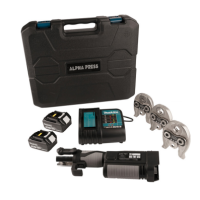
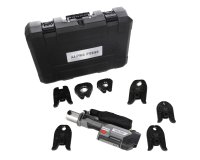
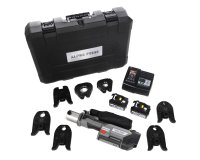
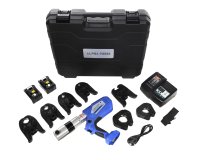
Crimping Tool is a specialized hand or hydraulic tool designed to securely connect pipes and fittings using crimp or press technology, providing reliable, leak-free joints without soldering or adhesives.

About Crimping Tool

Crimping tools are essential for modern plumbing and heating installations, allowing quick and consistent joining of pipes and fittings such as PEX, multilayer, or metal press systems. By mechanically compressing a fitting around the pipe, the tool creates a permanent, watertight, and pressure-resistant seal.

These tools are widely used in residential, commercial, and industrial applications where speed, safety, and reliability are priorities. They are compatible with various fittings depending on the manufacturer, including elbows, tees, couplings, and adapters.

See more

Benefits

  • Quick and efficient: Significantly reduces installation time.
  • Flame-free: Safe for use in sensitive or fire-restricted areas.
  • Consistent and secure: Ensures uniform compression and leak-proof joints.
  • Versatile: Works with multiple pipe types and diameters.
  • Reduces labor costs: Simple operation with minimal skill required.

Applications

  • Domestic plumbing and heating systems.
  • Commercial and industrial piping installations.
  • Hot and cold water systems, gas systems (where approved), and HVAC installations.
  • Refurbishments and new-build projects.
  • Pipe repair and maintenance work.

Key Features

  • Manual, battery-operated, or hydraulic models available.
  • Interchangeable jaws or crimp rings for different pipe diameters.
  • Ergonomic design for ease of use and reduced fatigue.
  • Durable construction for long service life.
  • Accurate compression ensures reliable, leak-free joints.
  • Suitable for copper, stainless steel, PEX, and multilayer pipe systems (depending on tool type).

Usage & Technical Info

Cut the pipe square and remove any burrs. Insert the pipe into the fitting and position the crimping jaws correctly. Activate the tool until the joint is fully compressed and verify using visual indicators or manufacturer guidelines.

Regularly maintain and calibrate the tool to ensure performance. Store in a dry, clean environment to prolong its lifespan and reliability.